



Social CareTrauma-Informed Practice in Residential Family Assessment: Beyond the Buzzword
· 12 min read
"Trauma-informed" has become something of a buzzword over the last few years. It appears in training brochures, policy documents, and job descriptions, but what does it actually mean when you're working with a parent who has experienced a lifetime of adversity? This article explores what trauma-informed practice looks like in residential family assessment centres, what the science tells us, and why getting it right matters.
Whether it's on the news, social media, at work or during training, you will likely hear the phrase "trauma-informed." But here is the uncomfortable truth: when a term is used this widely, it risks meaning everything and nothing.
The Department for Education's most recent Working Together to Safeguard Children (HM Government, 2026) statutory guidance emphasises that professionals should:
"Understand the impact of adverse experiences and trauma on children and their families."
That is the right sentiment. But translating that into daily practice, in a residential family assessment centre where you have a limited window to observe, assess, and report to court — is hard.
I will be honest: in my time working in a residential family centre, I saw that many of the parents who came through our doors had experienced so much trauma in their own lives that there was an enormous amount to unpick, often more than the system realistically had time or resources to address in a truly meaningful and measurable way. And the child's developmental clock was ticking. That is the painful tension at the heart of this work: it is entirely understandable that these parents ended up where they did, given what they had survived, and it is genuinely sad that we could not always give them the depth of support they deserved while also meeting the court's timeline.

This is not about finger-pointing at any one centre or practitioner; it is a systemic challenge that requires professionals to navigate a delicate balance between strict statutory timelines, high workloads, and the sensitive, highly nuanced support and care that these parents need.
Key Takeaways
- Most parents entering residential family assessment carry significant histories of childhood adversity, and understanding that history is central to a fair and meaningful assessment.
- Trauma is an internal wound, not just a past event. It leaves lasting changes in the brain and nervous system that shape how a person responds to stress, authority and relationships long after the original experience has passed.
- Chronic trauma affects memory, emotional regulation and the capacity to trust. A parent who struggles to engage or give a coherent account of their history may be responding from a nervous system that learned, long ago, that the world is not safe.
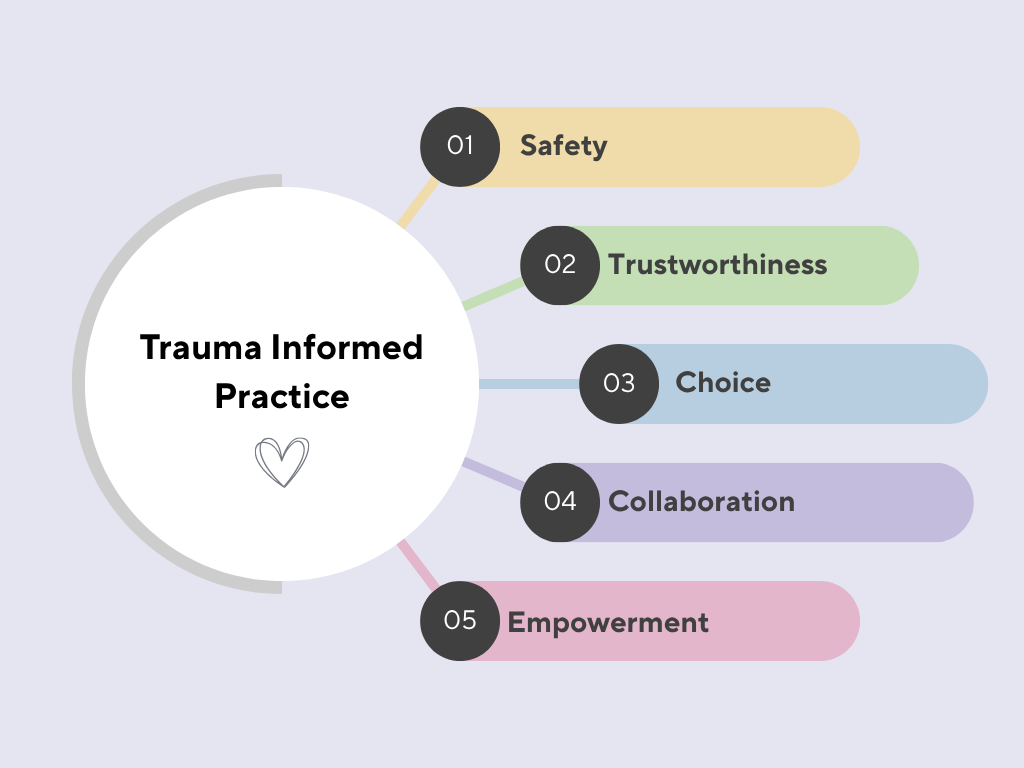
- Trauma-informed care in both England and Scotland is anchored in five core pillars: safety, trustworthiness, choice, collaboration and empowerment; now embedded in statutory guidance.
- Genuine trauma-informed practice does not require unlimited resources. The warmth of an environment, the language used in meetings and reports, and the way a parent is greeted can all meaningfully shape their experience of safety.
What Trauma Actually Does to a Person
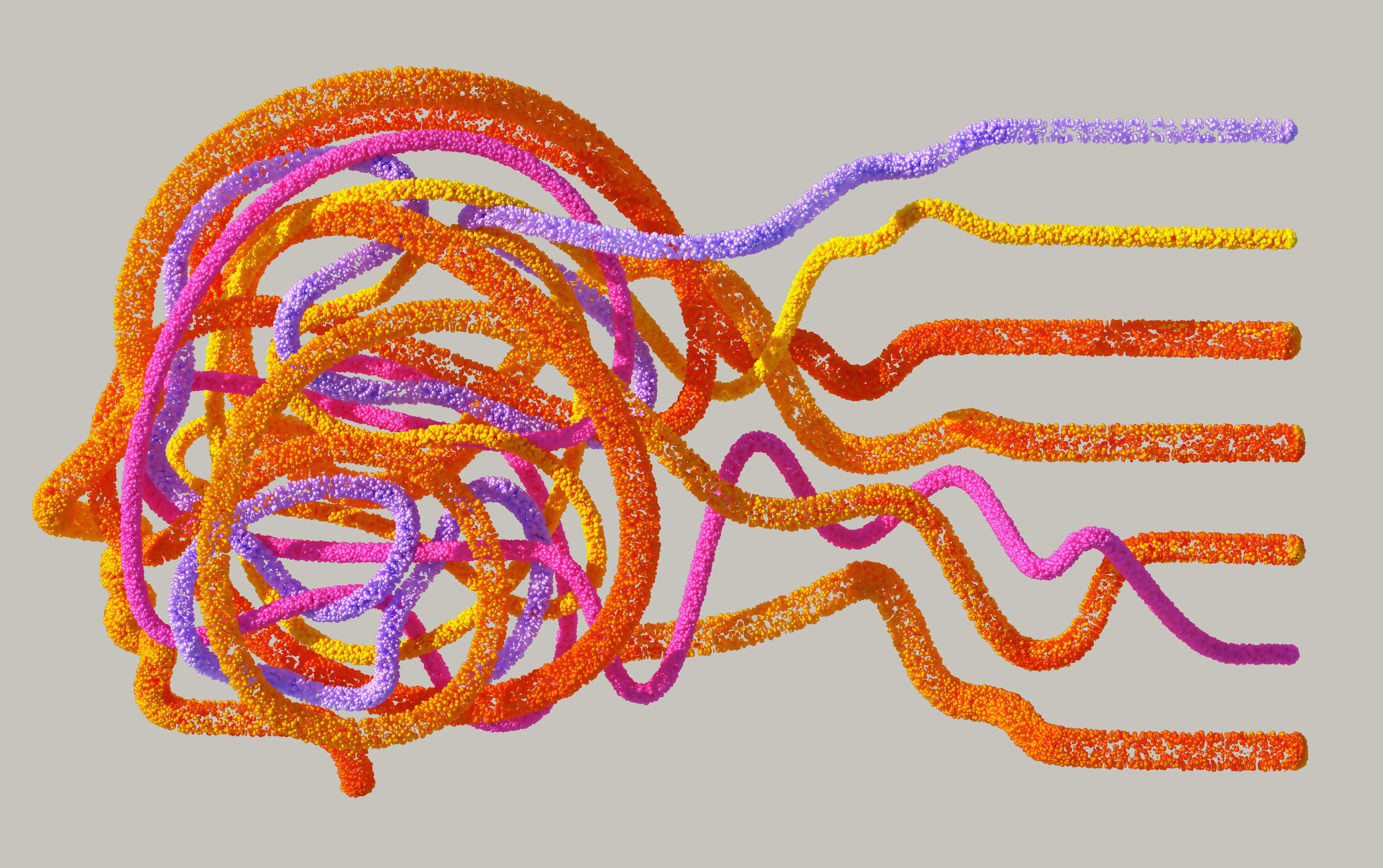
Trauma is not simply a "bad experience." It is a physiological and psychological event that overwhelms a person's ability to cope. When the brain perceives a threat, it activates the stress-response system, the well-known fight, flight, or freeze response. In a person who has experienced repeated or prolonged trauma, what researchers call "complex trauma", this system becomes permanently on alert.
This has direct, observable consequences for the parents being assessed in residential family centres:
- Memory and narrative. Chronic trauma affects the hippocampus, the part of the brain responsible for turning lived experience into coherent, chronological memory (Van der Kolk, 2014). A parent may struggle to give a linear account of their history not because they are being evasive, but because their brain has literally organised that information differently.
- Emotional regulation. The amygdala (the brain's alarm system) becomes hypersensitive. A parent who seems to "overreact" to a gentle challenge or who appears "shut down" in a review meeting is not being difficult. They are responding from a survival brain that learned, long ago, that adults in authority are not safe (Berboth & Morawetz, 2021),
- Trust and engagement. If your earliest relationships taught you that caregivers are unpredictable, neglectful, or abusive, it is profoundly rational to distrust new caregivers (NSPCC Learning, 2021). The guardedness, the missed appointments, the apparent lack of engagement, these are not character flaws. They are adaptations that kept that person alive.
The Framework: Trauma-Informed Practice in the UK
If you look at how trauma-informed care is structured across the UK, you will find it anchored by five core pillars: safety, trustworthiness, choice, collaboration, and empowerment.
These are not just warm, fuzzy ideas; they are statutory expectations.
- In Scotland, the Government’s Roadmap for Creating Trauma-Informed and Responsive Change actively pushes to embed these five pillars across health, social care, and justice systems.
- In England, the Department for Education has woven these exact expectations directly into the statutory fabric of the Children’s Social Care National Framework and the updated Working Together to Safeguard Children guidance.
The message from the top is clear: understanding trauma is no longer optional. Resources from bodies like the UK Trauma Council (led by the Anna Freud Centre) provide the clinical evidence base to back this up.
The brilliant thing is that residential family centres are already leading the way here.
In my experience, centres aren't just paying lip service to these frameworks; teams are genuinely passionate about them. Practitioners and managers work incredibly hard on the ground to bring these five principles to life. They invest heavily in excellent training, support their staff to understand the science of trauma, and show up every day with a deep commitment to making sure safety, trust, and collaboration are felt in every single interaction. The dedication within the sector to get this right for families is immense.
The ACEs Evidence Base
The foundational evidence for modern trauma-informed practice comes from the landmark CDC-Kaiser Adverse Childhood Experiences (ACEs) study, first published by Felitti et al. (1998) in the American Journal of Preventive Medicine. The study surveyed over 17,000 adults and identified a clear, dose-response relationship between the number of adverse childhood experiences (abuse, neglect, household dysfunction) and later-life health outcomes.
In short, childhood adversity does not stay in childhood. As these experiences accumulate, they dramatically elevate a person's lifelong risk of chronic physical illnesses like heart disease and diabetes, alongside severe mental health challenges, addiction, and self-harm. The preventative power of addressing this early trauma is staggering; public health data suggests that actively preventing childhood adversity could reduce adult depression by up to 78% and avert nearly 90% of youth suicide attempts (Merrick et al., 2019; Swedo et al., 2024).
For this sector, the implications are clear. The parents arriving at a residential family centre are very likely carrying high ACE scores. Their trauma histories are not peripheral to the assessment, they are central. A parenting assessment that does not account for the parent's own trauma is an assessment that misses half the picture.

What This Looked Like in Practice
In the residential family centre where I worked, there was a real commitment to trauma-informed practice, even if we did not always get it right. The team made a conscious effort to build an understanding of trauma into the rhythm of the centre's work.
We had quarterly training sessions, and trauma-informed practice featured regularly. Sessions were led by different members of the team, each bringing something distinct:
- The centre's therapist, a woman who genuinely lived and breathed this work, focused on the science of the nervous system and the vagus nerve. She offered parents the option of walking therapy sessions outdoors, something that aligned with what we now know about movement, regulation and the nervous system. In her view, you cannot separate a person's physiological state from their capacity to engage, to trust, or to change. She was right.
- The centre's social worker brought a different but equally valuable lens: the lived, complex reality of what trauma looks like within families navigating the care system.
- Many of us on the wider team were studying alongside our work. I was completing a degree in psychology and colleagues were reading about attachment theory, neuroscience and trauma and applying it in practice. It created a genuine culture of curiosity that I think is essential in this kind of work.

Two writers shaped my thinking more than any others during that time. Dr Gabor Maté helped me understand that a difficult event in itself is not trauma. In his work, particularly The Myth of Normal (2022), he explains that trauma is not what happens to you, but rather the wound that forms inside you as a response to those events. It is the lasting constriction in the mind and body that limits your capacity to stay present and authentic.
And Bessel van der Kolk’s The Body Keeps the Score (2014), transformed how I understood the physical, embodied nature of this wound, how it lives not just in our thoughts, but in the physical memory of our nervous system, the way we hold ourselves, and the way we physically respond to the world.
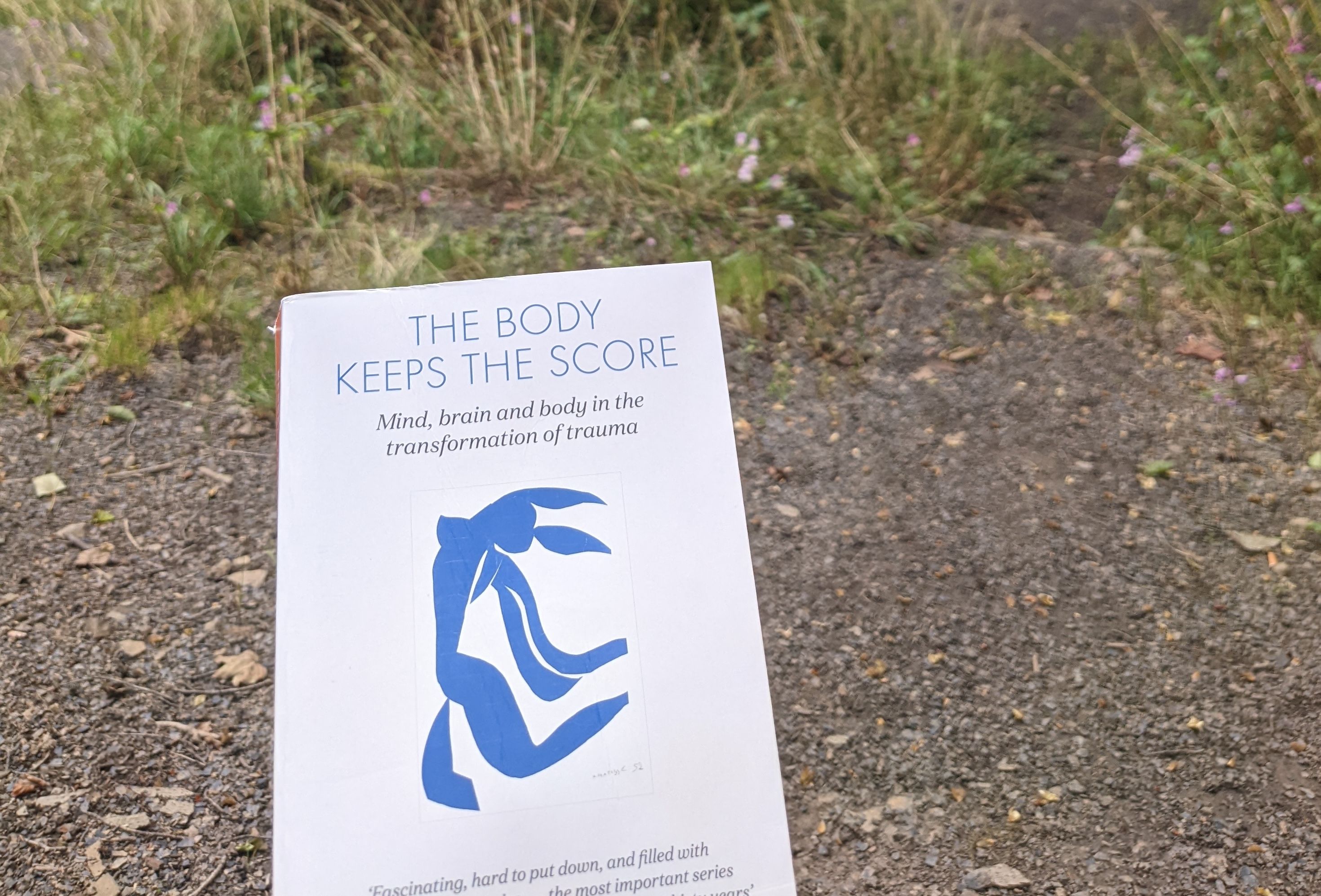
That combination of formal training, lived experience, and a team that genuinely cared about understanding the people they worked with meant that trauma-informed practice wasn’t just a buzzword we used for show. It was something we actually tried to live every single day.
Practical Implications for Residential Family Centres
Genuine trauma-informed practice does not require unlimited resources. It requires intention. Here are three concrete areas where assessment centres can make a difference:
1. The physical environment matters. Is your centre warm and welcoming, or institutional and cold?. A centre that feels like an institution will trigger vigilance in someone whose life experience has taught them institutions are dangerous.
2. Language is a trauma tool. Every interaction, from the first phone call to the final report, either builds safety or erodes it. The language of assessment reports has received increasing attention, as I discussed in an earlier article on minimising subjectivity in court reports. But the same principle applies to verbal interactions. Explaining why you are asking a question, giving parents advance notice of meetings, and using language that is collaborative rather than authoritative, these are small changes with significant impact.
3. Supervision and staff wellbeing are non-negotiable. Trauma-informed practice applies to staff as much as to families. Working with traumatised parents day after day takes a toll. Vicarious trauma, compassion fatigue, and burnout are endemic in social care. The Working Together statutory guidance now explicitly recognises the importance of "safe and effective supervision" for safeguarding practice (HM Government, 2026). Centres that invest in reflective supervision, manageable caseloads, and a culture where staff can speak openly about the emotional weight of the work are centres that sustain real trauma-informed practice.

Conclusion
"Trauma-informed" is a phrase that gets thrown around everywhere now. But the real question for any residential family assessment centre isn't whether they have the right policies on paper. It is much simpler:
Does the parent walking through the door feel safe?
The evidence is clear: the majority of parents in the family justice system are carrying deep, unhealed internal wounds. When practitioners see guardedness, missed sessions, or a struggle to engage, they may not be looking at pathology or a lack of cooperation. It’s possible that they’re witnessing survival strategies that were once necessary to keep those parents alive.
Being trauma-informed doesn't mean lowering standards or shying away from the difficult, necessary assessments that keep children safe. It means understanding the pain behind the presentation. It means designing systems and daily interactions that avoid triggering those old wounds. It is about being realistic about the tight timelines and system constraints that exist, while still doing everything possible to support the families in front of them.
And, perhaps most importantly, it means never forgetting that the parent sitting in that assessment room was once a child who needed protecting, too.
Sources
- Attachment and child development. (2021, August 10). NSPCC Learning. Retrieved July 15, 2026, from https://learning.nspcc.org.uk/child-health-development/attachment-early-years
- Berboth, S., & Morawetz, C. (2021). Amygdala-prefrontal connectivity during emotion regulation: A meta-analysis of psychophysiological interactions. Neuropsychologia, 153, 107767. https://doi.org/10.1016/j.neuropsychologia.2021.107767
- Courtois, C. A. (2010). Understanding complex trauma, complex reactions, and treatment approaches. www.aaets.org. Retrieved July 15, 2026, from https://www.aaets.org/traumatic-stress-library/understanding-complex-trauma-complex-reactions-and-treatment-approaches
- Department for Education. (2026, March 18). Working together to safeguard children. GOV.UK. Retrieved July 15, 2026, from https://www.gov.uk/government/publications/working-together-to-safeguard-children--2
- Felitti, V. J., Anda, R. F., Nordenberg, D., Williamson, D. F., Spitz, A. M., Edwards, V., Koss, M. P., & Marks, J. S. (1998). Relationship of childhood abuse and household dysfunction to many of the leading causes of death in adults. American Journal of Preventive Medicine, 14(4), 245–258. https://doi.org/10.1016/s0749-3797(98)00017-8
- Harris, M., & Fallot, R. D. (2001). Envisioning a trauma‐informed service system: A vital paradigm shift. New Directions for Mental Health Services, 2001(89), 3–22. https://doi.org/10.1002/yd.23320018903
- Merrick, M. T., Ford, D. C., Ports, K. A., Guinn, A. S., Chen, J., Klevens, J., Metzler, M., Jones, C. M., Simon, T. R., Daniel, V. M., Ottley, P., & Mercy, J. A. (2019). Vital signs: Estimated proportion of adult health problems attributable to adverse childhood experiences and implications for prevention — 25 states, 2015–2017. MMWR Morbidity and Mortality Weekly Report, 68(44), 999–1005. https://doi.org/10.15585/mmwr.mm6844e1
- NHS Education for Scotland. (2023, November 2). Roadmap for Creating Trauma-Informed and Responsive Change. www.nes.scot.nhs.uk. Retrieved July 15, 2026, from https://www.nes.scot.nhs.uk/nes-current/roadmap-for-creating-trauma-informed-and-responsive-change/
- Swedo, E. A., Pampati, S., Anderson, K. N., Thorne, E., McKinnon, I. I., Brener, N. D., Stinson, J., Mpofu, J. J., & Niolon, P. H. (2024). Adverse childhood Experiences and Health Conditions and risk behaviors among high school students — Youth Risk Behavior Survey, United States, 2023. MMWR Supplements, 73(4), 39–50. https://doi.org/10.15585/mmwr.su7304a5
- UK Trauma Council. (2026, May 22). UK Trauma Council. https://uktraumacouncil.org/
- Van Der Kolk, B. (2014). The body keeps the score. Penguin Books.
- Webster, E. M. (2022). The impact of adverse childhood experiences on health and development in young children. Global Pediatric Health, 9, 2333794X221078708. https://doi.org/10.1177/2333794x221078708