

Family Axis SoftwareTwo Years of FamilyAxis: Seven Months Since Launch
· 8 min read
Seven months after launching FamilyAxis, we’re reflecting on what we’ve learnt so far: why software decisions take time, what centres really need from their systems, and why listening has been just as important as building.
Two years ago, we quit our jobs and took a leap of faith to build something we passionately believed would make life easier for a small but incredibly important corner of social care. It has been a challenging and rewarding rollercoaster, and we have learnt so much along the way. We now have a piece of software we are proud of, and I'll admit, there are days I wish I was back working in a centre just so I could use it every day.
Here is a little insight into our journey since we launched.
I remember launch day clearly. A friend had invited us to the opening of her beauty business, and by a strange coincidence it fell on exactly the same day. I remember us raising a glass of champagne to both ventures, giddy with excitement and nerves in equal measure.

After months of hard work, late nights and a serious lack of holidays, we finally had something to offer. Now came the second challenging part: showing people it was worth adopting.
The first lesson: things move slowly. Very Slowly.
We launched, had our first meeting, and then the silence came.
Weeks passed without a response.
After over a year of building, and all the enthusiasm we'd carried towards launch, that silence felt awful. Little seeds of doubt started to creep in. Kevin and I had put so much time, money and energy into FamilyAxis, and suddenly it felt like nobody wanted it.
Then, a few weeks later, the response arrived.
They were impressed. They loved it.
And just like that, the story changed.
That pattern has repeated itself over the last seven months. Communication comes in waves. There are periods where it feels like everything is happening at once, followed by periods of silence.
I've had to learn not to interpret silence as rejection.
The truth is, I of all people should understand why.
I've worked in a residential family centre. I know there is never enough time in the day. If a serious safeguarding concern comes in, a baby is taken ill, there are staffing problems or something needs dealing with in the early hours, switching software is understandably nowhere near the top of the list.
And it shouldn't be.
The families always come first.
So the first lesson was simple: slow does not mean no. Sometimes it just means busy.

The second lesson: changing software is a much bigger decision than I realised
One of the things I hadn't fully appreciated before launch was just how much trust is involved in changing systems.
From the outside, it can look like a software decision.
For a centre, it isn't just that.
A new system means people have to learn something unfamiliar. Managers have to feel confident that it will actually work. Staff have to trust that their information and work won't disappear. Someone has to find the time to implement it, introduce it to the team and support people through the change.
And centres have been let down before.
We've heard about experiences where software companies have helped organisations make the switch and then disappeared when they needed support. We've heard concerns about losing work during migrations and the disruption caused when a new system doesn't work in the way people expected.
So when someone is cautious about FamilyAxis, I understand it.
There's another reason too.
A number of software platforms used in this sector were originally designed for children's homes or broader social care settings, and then adapted to fit the needs of residential family centres. We understood from the beginning that this was a problem, and building FamilyAxis specifically and exclusively for residential family centres was a deliberate decision.
We thought that would be an immediate draw.
What we didn't anticipate was that managers have heard similar claims before. They have been told a system was built for them, only to find it was a children's home platform with a few tweaks. So when we say we were designed exclusively for this work, the words alone don't land the way we hoped they would.
Trust has to be shown, not just stated.
When time is so precious and the stakes are so high, we completely understand why centres want to get it right before committing to anything new. These are not decisions to be rushed.

The third lesson: listening matters as much as building
One of the most important things we have learnt is that having a good product is only part of it. What centres need to see is that we are genuinely listening, and that when they tell us something, we act on it.
From the very beginning, we made a commitment that FamilyAxis would be shaped by the sector. Every piece of feedback we receive goes into the product.
One of the most significant additions has been our staff management system. It was something I had always wanted to include in FamilyAxis, knowing from my own experience how much time centres spend managing staff records, training and supervisions across different systems. When centres started telling us the same thing, it confirmed what we already believed, and we made it a priority. It took around three months to develop, test and document properly, but we are really proud of how it has come together.
We have also added a revision system, task collaboration, Life Story booklets, dictation, additions to our safeguarding action plans and more flexibility within our text editors, all in response to conversations with centres.
Being a new company has actually worked in our favour here. FamilyAxis was not built on legacy technology. There are no layers of old code making every change slow and complicated. When something needs improving, we can often act quickly.
Kevin is our lead developer, which means the person making decisions about the product is also the person writing the code. The people using FamilyAxis can talk directly to the people building it. That kind of proximity is something we never want to lose.
The founder bit has been harder than I expected
I stepped into a director role having spent my career in childcare and social care rather than business. The learning curve has been steep but rewarding.
I have had to learn marketing, sales, presenting, training, writing, product development and all the small jobs that sit between them.
A week can look completely different from the one before it. One day I'm preparing a software presentation, the next I'm writing a blog article, sending emails to centres, creating support videos, testing a new feature or going through someone's feedback. I've grown to love the variety — it keeps things interesting and no two days are ever the same.
The harder lesson has been learning not to take everything personally.
When you've poured two years of your life into something, it's difficult when someone doesn't reply to an email, doesn't come back after a demo or decides they aren't ready to change.
But business can't be built around taking every response personally.
Sometimes the timing isn't right. Sometimes they don't have the time. Sometimes they simply aren't ready. And sometimes, frustratingly, you don't get to know why.
I've had to learn to keep going anyway.
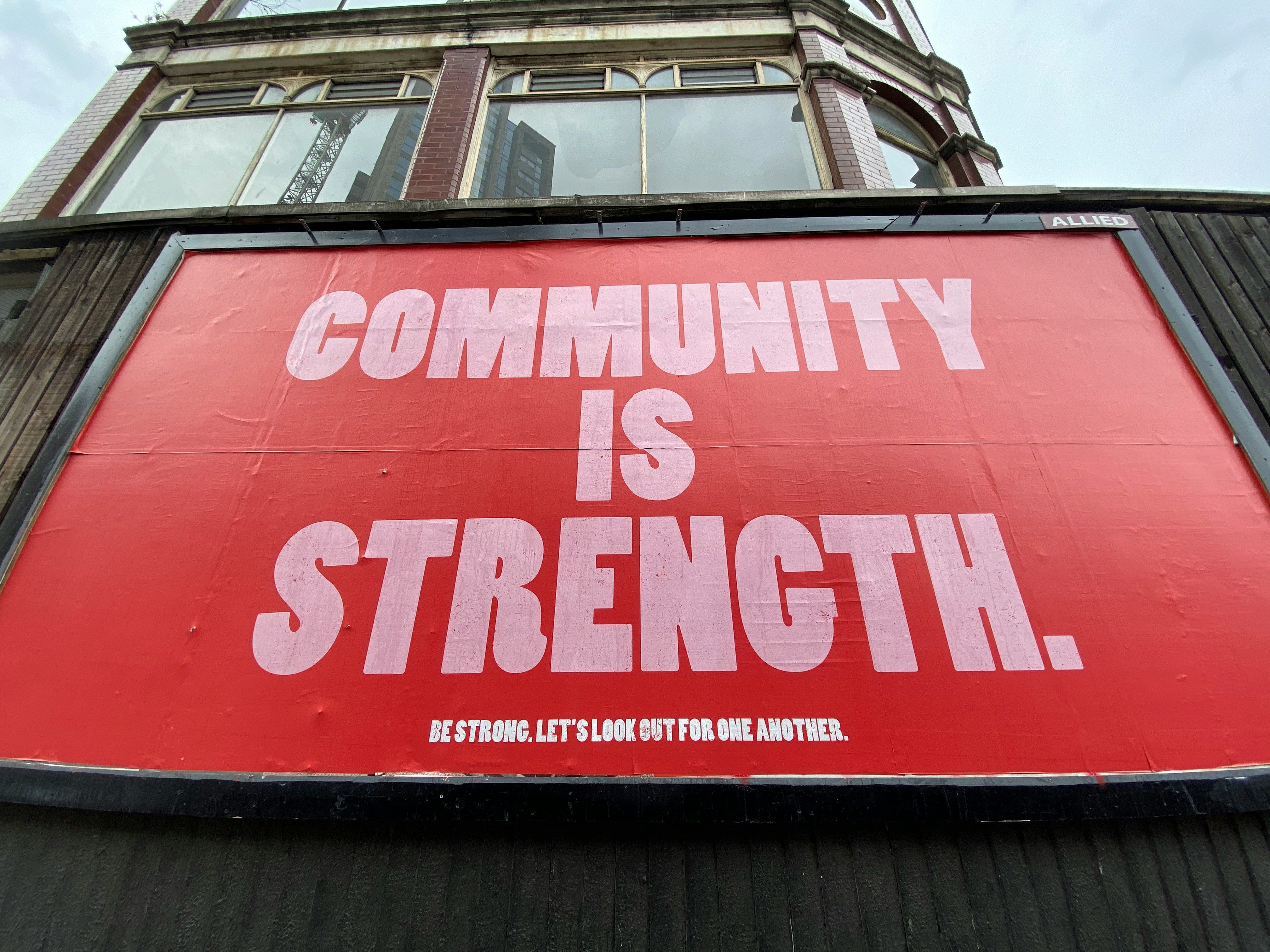
I've also found a community
One unexpected part of this journey has been connecting with other people building technology for social care.
I've spoken to developers, social workers and founders working on solutions for different parts of social services, and hearing their experiences has been reassuring.
Some are giving their software to local authorities for free because they need people to try it before they will trust it. Others have experienced exactly the same slow decision-making and long periods of silence.
Knowing other people are going through the same thing has made the whole process feel a little less lonely.
Seven months in
Seven months ago, I thought we'd probably have our first few centres on board by now.
I didn't expect the process to feel quite so slow, or quite so heavy at times.
There have been moments when it was easy to wonder whether we'd made a huge mistake.
There have also been moments when someone has looked at something we've built and said, "This is exactly what we need."
Those moments keep us going.
We're still a new company, and we know that building trust takes time. But being new also means we're not tied to decades of legacy technology or old processes. We can listen, adapt and make changes without having to work around a system designed for a very different time and a very different purpose.
That's something we want to hold onto as FamilyAxis grows.
We want to remain close to the people using it. And we want centres to feel that when they ask for something, they're talking to people who actually understand why they're asking.
More than anything, I want FamilyAxis to become something that genuinely makes the work easier for practitioners, improves the experience of the families they support and gives children a better record of their story.
We're still learning. We're still listening. We're still building.
And we're still waiting for that holiday.